
Cat:RO Membran
Spesifikasyon ve Boyut: ULP-4040; ULP-8040 Ters ozmoz (RO) membranları, su filtrasyon sistemlerinde, özellikle tuzdan arındırma ve saflaştırma...
Ayrıntıları görService hotline: +86-13396595772


Choosing the right vessel for water treatment or chemical storage is rarely simple. The tank must hold aggressive media for years, withstand corrosion from acids, alkalis and salt solutions, and still be practical to transport, install and maintain. Fiberglass reinforced plastic, usually called FRP, has become one of the most widely used answers to these demands. A well-designed frp tank pairs a chemically resistant inner liner with a load-bearing structural wall, producing a vessel that performs reliably where carbon steel would corrode and concrete would crack.
This guide explains why FRP construction is favored in corrosive service, what the key specifications really mean, which applications suit these vessels best, and how to select the right configuration. The goal is to help engineers, procurement teams and plant managers evaluate options based on operating data rather than general claims.
of the density of carbon steel, easing transport and lifting
resistance to many acids, alkalis, salts and solvents when the resin is matched correctly
liners that resist scale buildup and simplify routine cleaning
Every container decision starts with one question: how will the medium attack the wall over time? Metal tanks depend on coatings, linings or alloy chemistry to survive, and once a protective layer is breached, corrosion can advance quickly. FRP takes a different approach. Its resin matrix and glass reinforcement are inherently resistant to many chemicals, so the material itself does much of the protective work.
The most important factor is resin selection. Vinyl ester resins handle a broader range of aggressive chemicals, including many oxidizing agents, while isophthalic polyester resins offer an economical solution for milder conditions such as many salt solutions. The table below compares general performance characteristics.
| Characteristic | Carbon steel | Stainless steel | FRP |
|---|---|---|---|
| Resistance to strong acids | Poor without lining | Limited, depends on grade | Good when resin is matched |
| Resistance to alkaline solutions | Moderate | Good | Good |
| Risk of pitting and crevice attack | High | Moderate to high in chlorides | Low |
| Weight of equivalent vessel | Heavy | Heavy | Light |
| Maintenance in corrosive duty | Frequent inspection and coating repair | Periodic inspection | Routine inspection with few surface repairs |
FRP has roughly one quarter the density of carbon steel, which changes the logistics of a project. A vessel of comparable size can often be positioned by a standard crane or forklift, delivered on a regular truck and set without heavy rigging. Foundations can be lighter, and in retrofit projects where floor loading is limited, the reduced weight may be the deciding factor. Installation crews also benefit from simpler handling, which tends to reduce schedule risk.
A well-made FRP tank can remain in service for decades when it is matched to its medium and operated within design limits. The interior liner is smooth and resists the scale and biofilm that cling to rougher surfaces. Cleaning cycles can be longer, and chemical dosing into a clean vessel is more predictable. Because the wall does not rely on a paint film, fewer surface repairs need to be scheduled over the life of the equipment.
FRP is a formable material, so manufacturers can adjust the laminate to suit the job. Designers typically vary the resin system, the number and orientation of glass layers, and the wall thickness. Standard vessels can also be adapted with the following features:
A reliable FRP vessel is built from three functional layers, each with a specific job. Understanding these layers helps buyers read specifications critically and ask suppliers the right questions.
The inner liner faces the process fluid. It is usually resin-rich and reinforced with a surface veil so that the glass fibers are shielded from direct chemical contact. The structural layer carries the mechanical load, with glass fibers oriented to resist hoop stress from internal pressure and bending from the vessel's own weight. The outer surface layer protects the laminate from ultraviolet radiation, moisture and mechanical wear. Many problems in outdoor installations trace back to a neglected outer layer, so specifying UV-resistant surfacing is a worthwhile detail.
| Parameter | Typical range | Engineering note |
|---|---|---|
| Operating pressure | Atmospheric up to about 1.05 MPa | Higher ratings need thicker walls and design review |
| Operating temperature | About 1 to 49 degrees Celsius | Higher temperatures depend on the resin system and should be stated early |
| Working volume | Laboratory scale to more than 100 cubic meters | Very large vessels are often assembled in sections |
| Connections | Flanges, threaded nozzles, manways, vents | Standard or custom layouts |
| Bottom shape | Flat, conical or dished | Selected for drainage and sediment handling |
The raw materials also deserve attention. Vinyl ester, isophthalic polyester and bisphenol A resins are the most common matrix choices, while alkali-free glass fiber is preferred where chemical durability is critical. Buyers should ask which resin and reinforcement grades are used in each layer, not only the final rating of the vessel.
FRP tanks appear in a wide range of industries, but three application families account for most projects. Each places different demands on the vessel, so the selection logic changes with the use case.
Pressure filter tanks are among the most common uses. A typical frp filter tank holds a bed of quartz sand, activated carbon or ion exchange resin and is cycled through service, backwash and rinse steps. These vessels serve drinking water pretreatment, industrial pure water preparation and circulation systems for swimming pools. Because the bed is cycled repeatedly, the internal distributor, underdrain and nozzle layout matter as much as the shell itself.
Storage tanks for acids, alkalis and oxidizing solutions form another core application. Common examples include hydrochloric acid, sulfuric acid, sodium hypochlorite and polyaluminum chloride used in water treatment. Chemical storage places emphasis on containment and compatibility. Secondary containment, clearly marked level indication, vent design that prevents vapor accumulation, and resin selection matched to the highest expected concentration are all essential. Designers should also consider how the tank will be filled, since unloading flows can create pressure surges in connected piping.
Acids Alkalis Oxidizers Coagulants
In wastewater and industrial exhaust systems, FRP vessels often serve as reaction tanks, neutralization tanks and buffer vessels that feed absorption towers. Their chemical resistance allows them to handle variable acidity and fluctuating loads that would quickly degrade less suitable materials. In these settings, the ability to tolerate occasional upsets, not just normal operation, is a useful measure of suitability.
Selecting a vessel is easier when the decision follows a logical sequence. Working through the steps below before requesting a quote prevents most common specification errors.
Resin selection is the most important technical decision. The table below offers a general orientation, but final choices should always be confirmed against published chemical compatibility data and, where possible, immersion testing of representative samples.
| Medium category | Typical resin direction | Selection note |
|---|---|---|
| Strong acids | Vinyl ester or specially formulated resin | Concentration and temperature strongly affect the choice |
| Alkaline solutions | Isophthalic or vinyl ester | Confirm compatibility at the highest expected alkalinity |
| Oxidizing agents | Vinyl ester | Demanding service that rewards a conservative choice |
| Salt solutions | Isophthalic polyester | Often an economical option for milder duty |
| Organic solvents | Specialty resin system | Solvent swelling and permeation must be assessed |
Vertical tanks are the usual choice for filtration and storage where footprint is limited and height is available. They offer a compact plan area and efficient level measurement. Horizontal tanks suit situations where height is restricted, where large volumes are needed at low elevation, or where skid mounting is planned. The decision also affects support design, since horizontal vessels require saddles that distribute load across the shell.
A well-specified tank can still underperform if it is poorly installed or neglected in operation. Planning for the full lifecycle reduces risk and supports the expected service life.
The base must be level and continuous to prevent uneven loading. Concrete pads or steel frames are common, and the support should follow the manufacturer's recommendations for contact area and anchorage. Piping should be supported independently so that it does not transfer stress into the nozzles. Thermal movement should also be considered when connecting rigid piping to a composite shell.
Operators who understand the tank's limits can avoid most premature failures. The following practices are widely recommended:
Suppliers can offer more accurate recommendations when the initial information is complete. Gathering the following details before making contact typically shortens the design cycle and reduces revision rounds.
With this information in hand, a technical review can focus on the design questions that matter most rather than on repeated clarification rounds.
Service life depends on the chemical environment, operating temperature, quality of installation and the care given during operation. Properly specified FRP vessels in suitable service often remain in use for decades when they are inspected regularly and protected from mechanical damage and ultraviolet exposure.
It can be, provided the resin, glass and any additives are selected for potable water contact and the vessel is manufactured under a documented quality system. Buyers should request the certificates required in their region and confirm that the materials have been evaluated for the specific water type and temperature.
A filter tank is designed to hold a media bed that is cycled through service and backwash, so it includes a distributor, an underdrain and nozzle arrangements suited to that task. A frp storage tank focuses on holding liquid safely, with emphasis on level indication, venting, containment and nozzle layout for filling and withdrawal. Both use similar wall construction, but their internal fittings differ.
The terms refer to the same family of materials. FRP stands for fiberglass reinforced plastic, while GRP stands for glass reinforced plastic, a term more common in some regions. The essential question is not the abbreviation but the resin, glass content, layer structure and standard the vessel is built to.
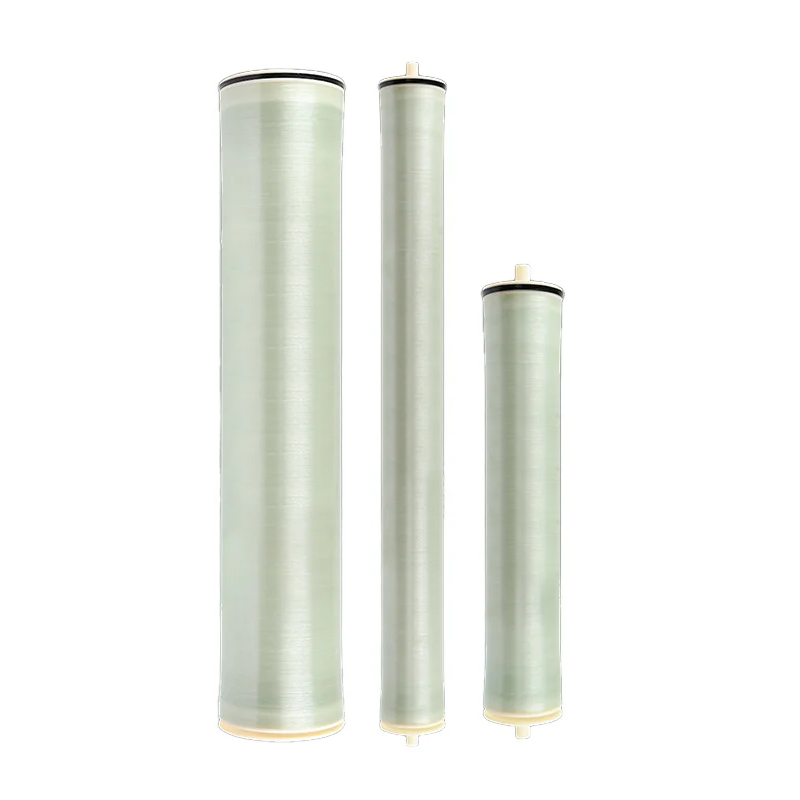
Spesifikasyon ve Boyut: ULP-4040; ULP-8040 Ters ozmoz (RO) membranları, su filtrasyon sistemlerinde, özellikle tuzdan arındırma ve saflaştırma...
Ayrıntıları gör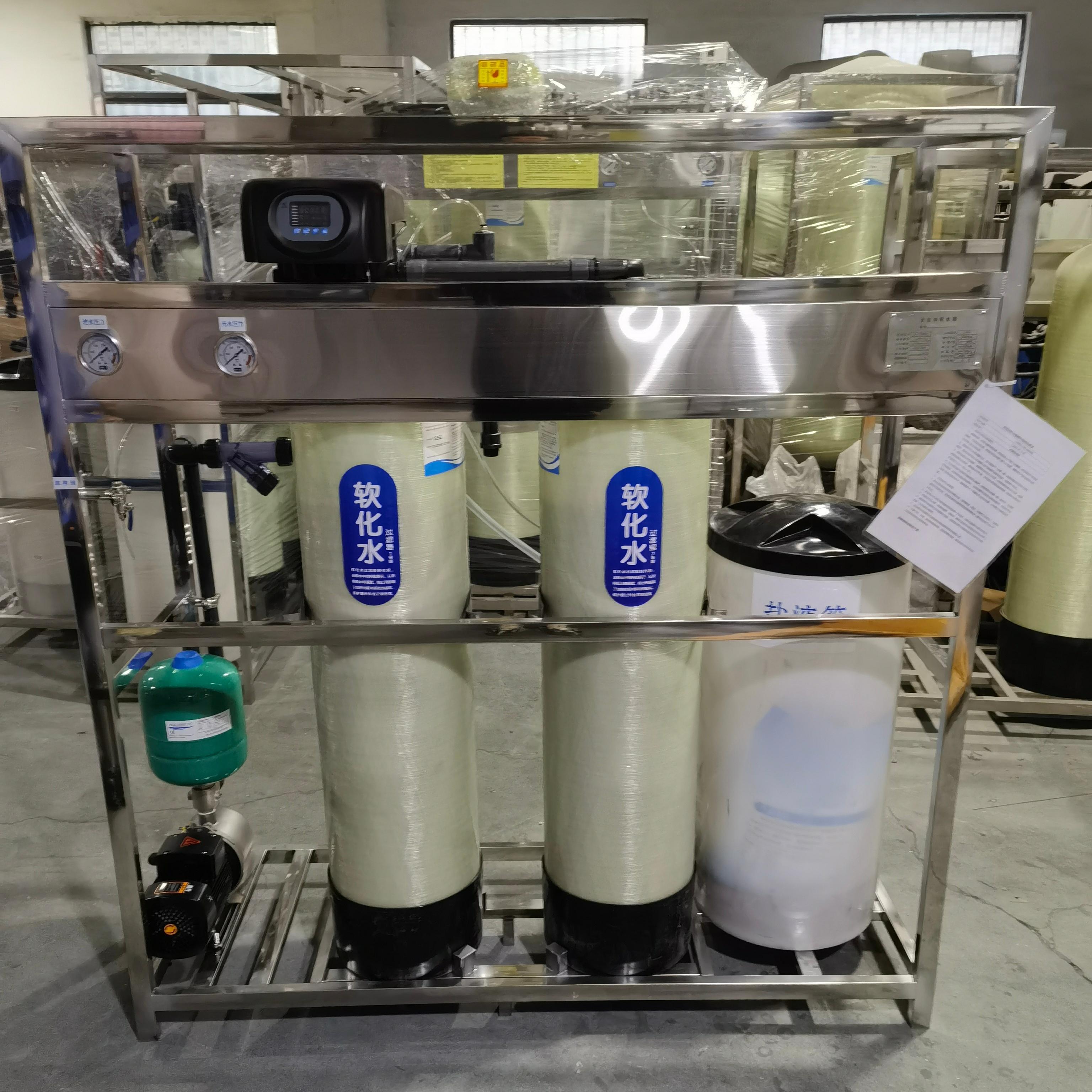
2 tonluk tek valf çift tank sabit basınçlı su besleme tankı, biri kullanım için ve diğeri bekleme için tek bir valf çift tank tasarımı benimseyen v...
Ayrıntıları gör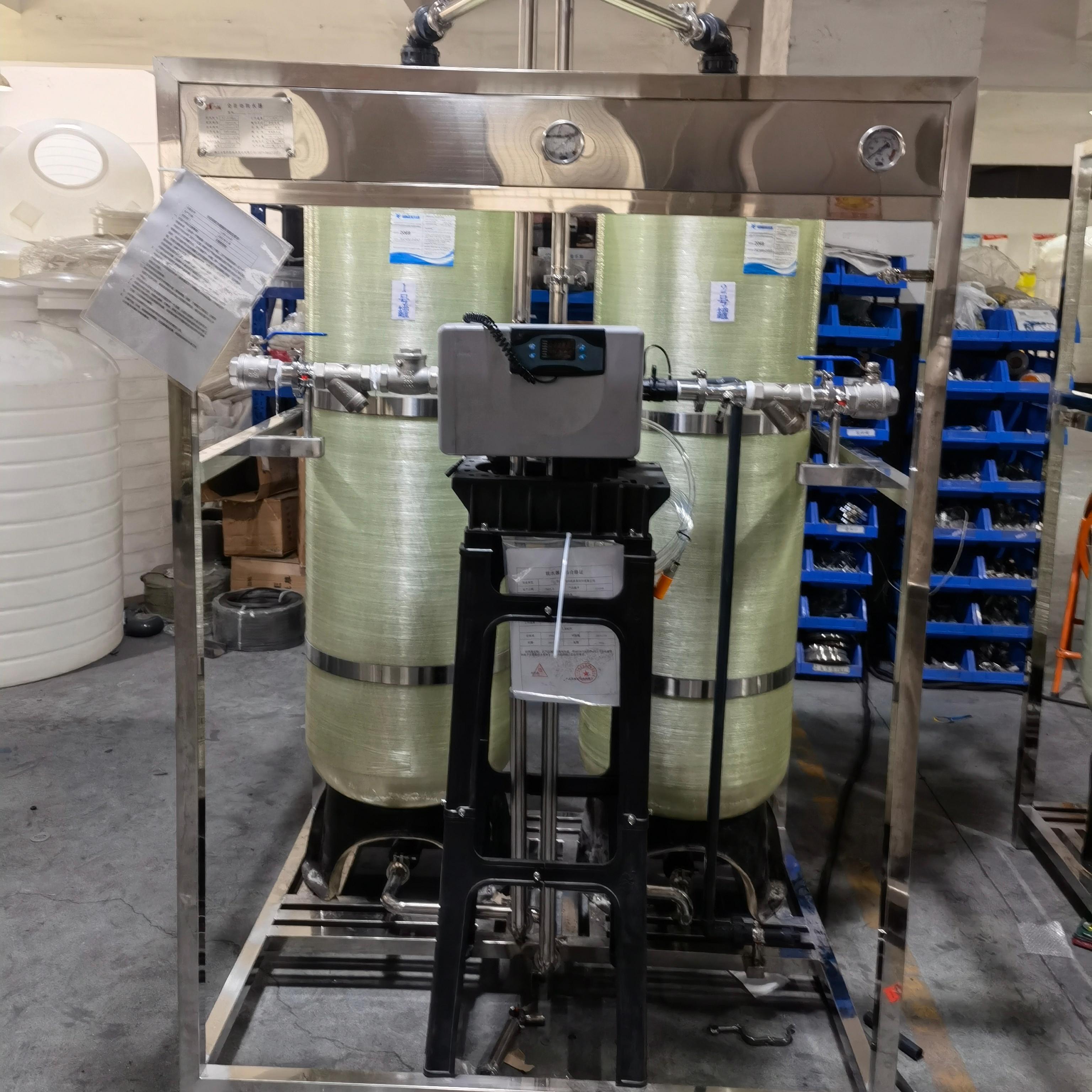
5 tonluk tek valf çift tank, biri kullanım için ve diğeri bekleme için, su arıtma için tasarlanmış yüksek verimli bir ekipmandır. Tek bir valf çift...
Ayrıntıları gör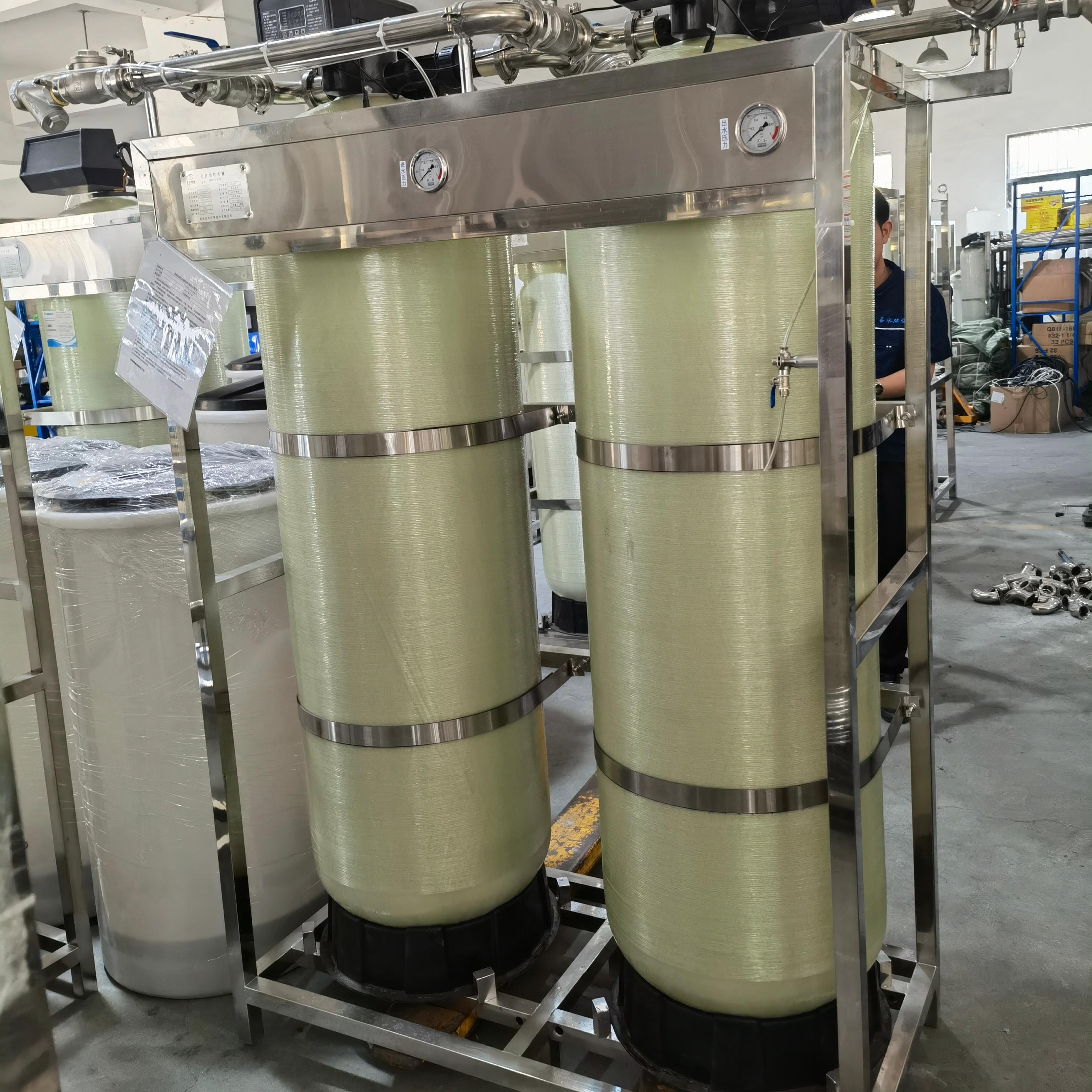
Bu 6 tonluk çift valfli çift tanklı sürekli su temini ekipmanı, verimli ve stabil su arıtma çözeltileri sağlamak için tasarlanmıştır. Çift tanklı v...
Ayrıntıları gör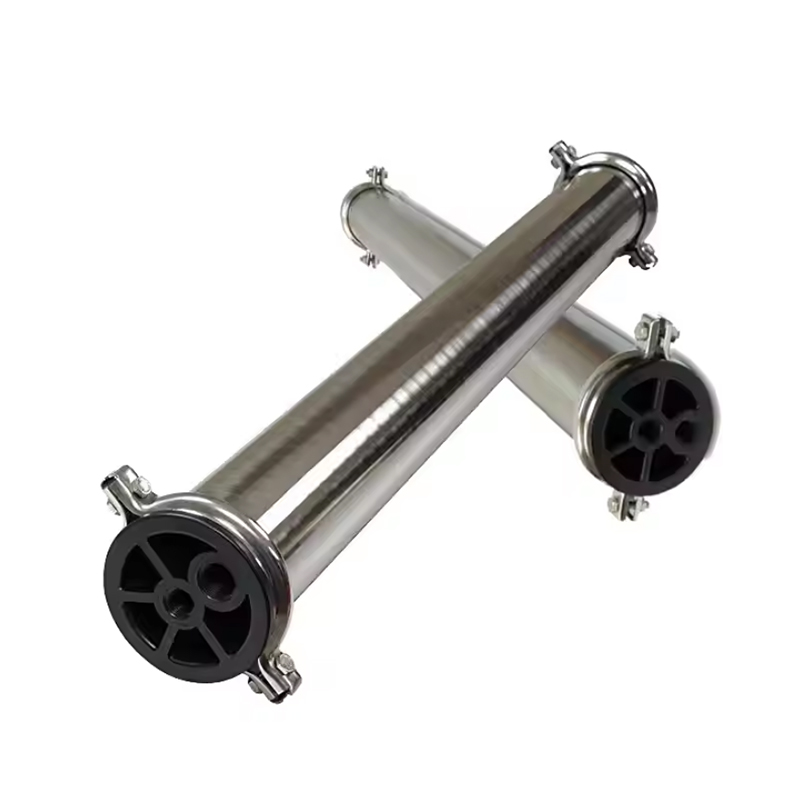
Paslanmaz çelik ters ozmoz (RO) membran kabukları, su arıtma sistemlerinde, özellikle dayanıklılık, korozyon direnci ve uzunluğunun kritik faktörle...
Ayrıntıları gör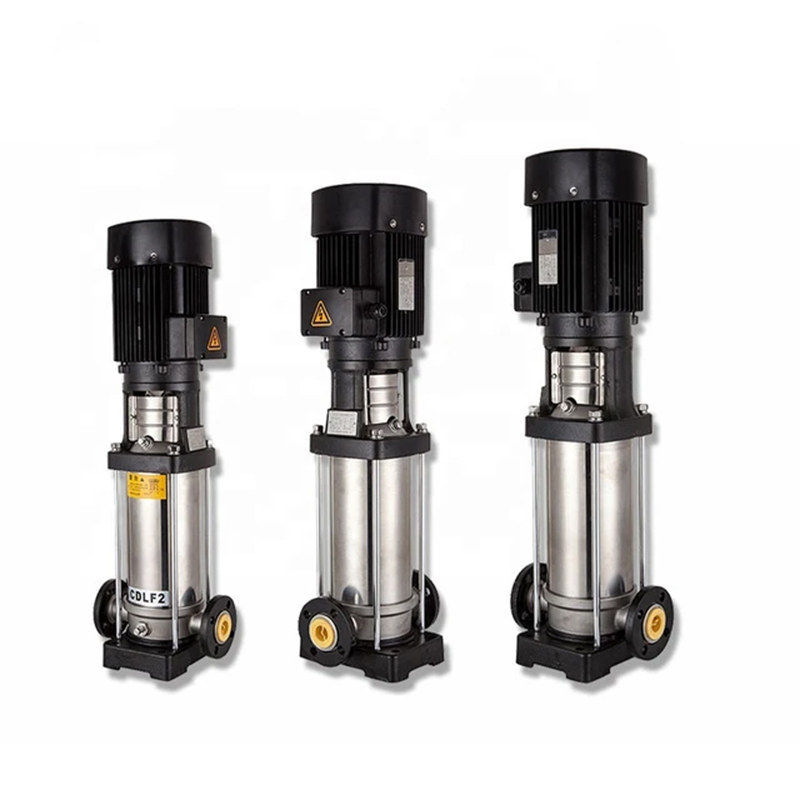
CNP dikey çok aşamalı santrifüj güçlendirici su pompası, çeşitli hidrolik güçlendirici ihtiyaçlarını karşılamak için tasarlanmış etkili ve güvenili...
Ayrıntıları gör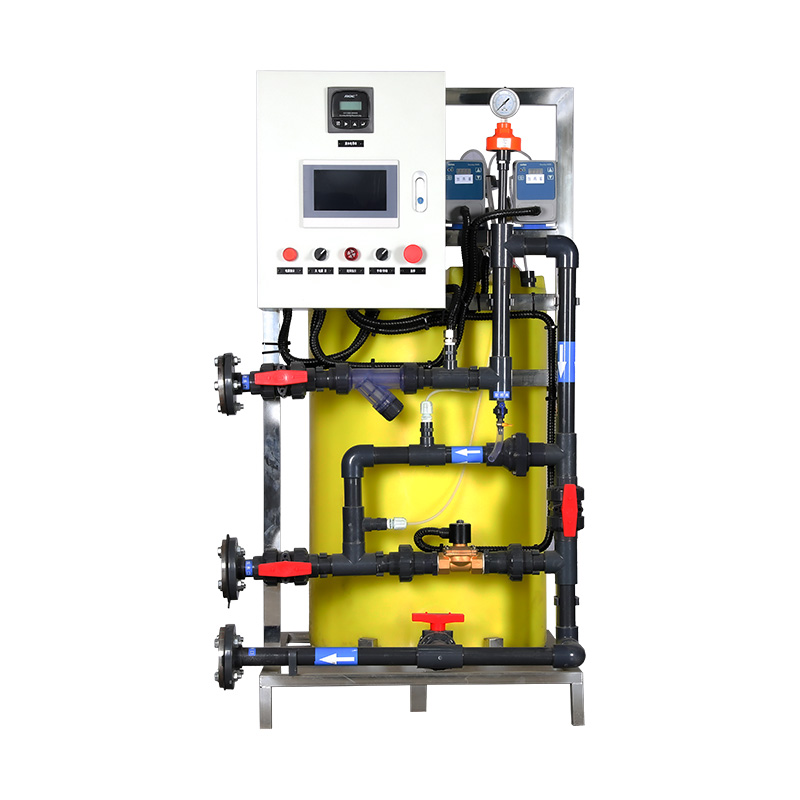
Dozlama sistemi, dozlama, karıştırma, sıvı taşıma ve otomatik kontrolü entegre eden bir cihazdır. Esas olarak elektrik santrali çiğ su, kazan su te...
Ayrıntıları gör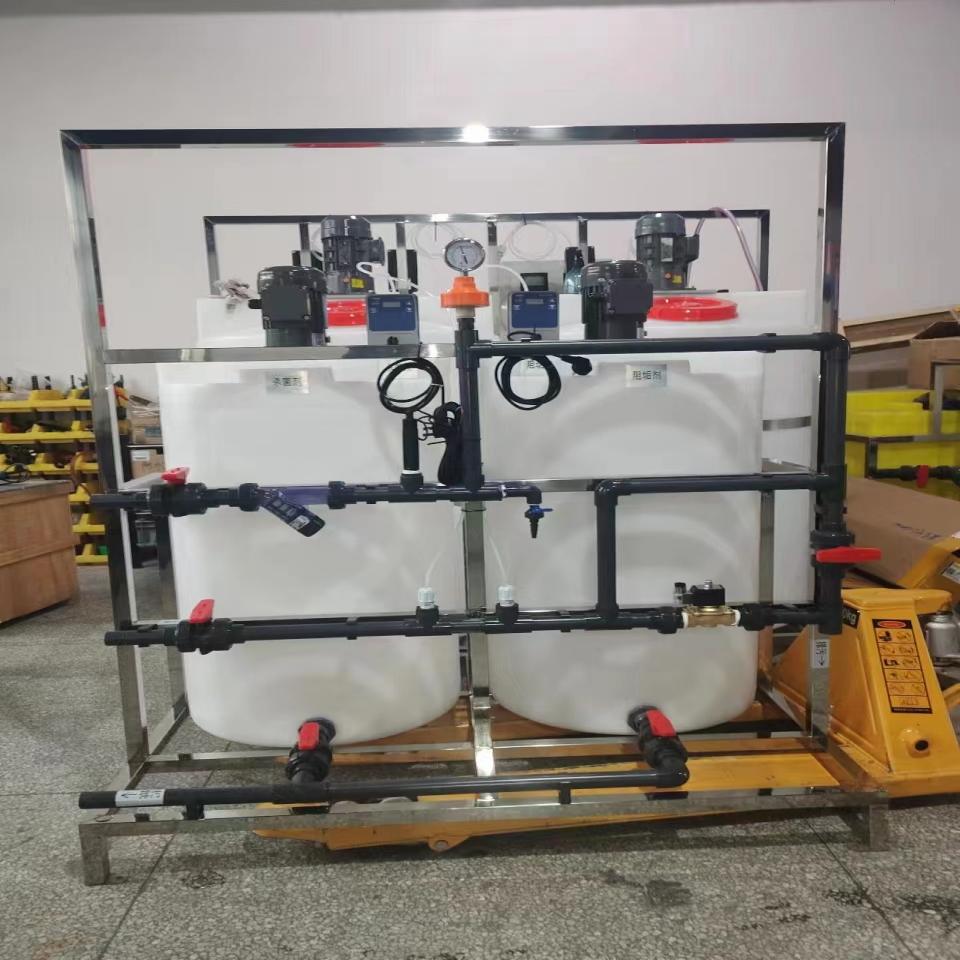
Dolaşımdaki su sistemi dozlama cihazı ölçeklendirici ve sterilize edici, dolaşımdaki su sistemleri için tasarlanmış bir su kalitesi arıtma ekipmanı...
Ayrıntıları gör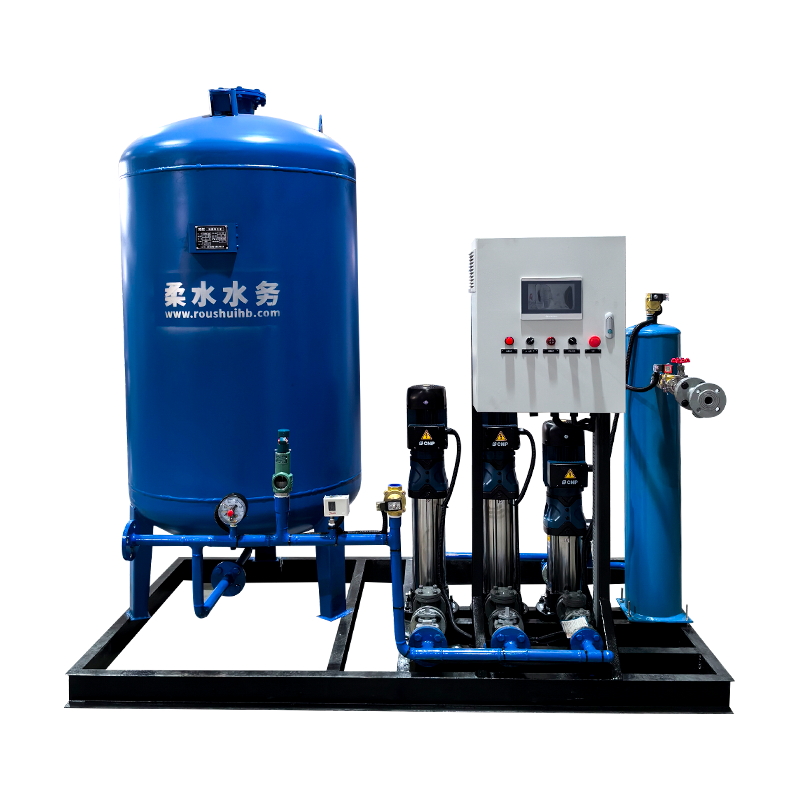
Bu ekipman, istikrarlı su basıncı sağlamak için özel olarak tasarlanmış bir su temini sistemidir. Sistemin farklı su tüketimi ve su basıncı gereksi...
Ayrıntıları gör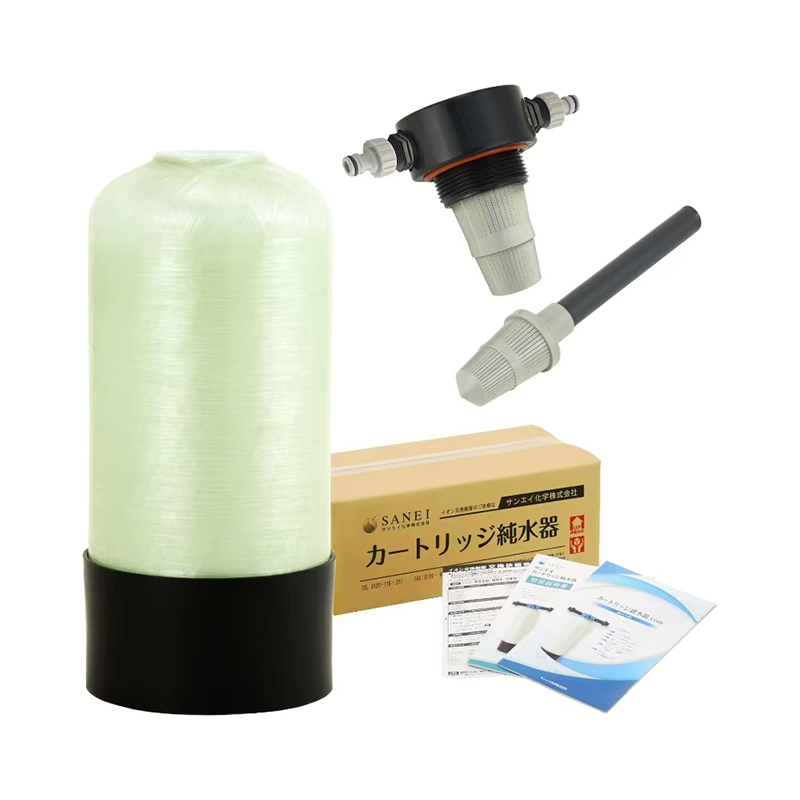
Yüksek akışlı 3/4 bağlantı noktası RV su filtremizdeki KDF (kinetik degradasyon akısı) klor, ağır metaller, bakteriler ve ölçeği giderir, RV mac...
Ayrıntıları gör
+86-13396595772
[email protected]
[email protected]
[email protected]
[email protected]
Oda 508, Xingyuncheng, No.15 Xingling Caddesi, Xingqiao Caddesi, Linping Bölgesi, Hangzhou Şehri, Zhejiang Eyaleti.
Telif hakkı ©2024 Hangzhou Roushui Çevre Koruma Teknolojisi Co., Ltd. Her hakkı saklıdır. Özel endüstriyel sivil su arıtma saflaştırma ekipmanı üreticileri
